






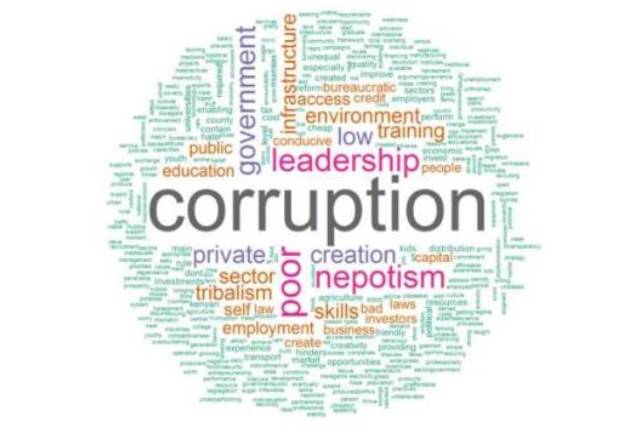
One of the least discussed, yet most corrosive, failures of devolution in Kenya is the politics surrounding county jobs. While devolution promised to bring services closer to the people, it has also brought power, opportunity, and patronage closer to political elites at the county level. Today, for many Kenyans, county employment has become less about competence and public service, and more about who you know, who you are related to, and which political camp you belong to.
County governments are among the largest employers at the local level. From health workers and revenue officers to clerks, drivers, and project officers, counties control thousands of jobs. In theory, these positions should be filled through transparent, merit-based processes overseen by County Public Service Boards. In practice, however, recruitment in many counties is deeply politicised.
Nepotism often begins at the top. Governors and senior county executives wield enormous informal influence over hiring decisions, even where legal structures are meant to insulate recruitment from political interference. Relatives, friends, former campaign agents, and loyalists quietly find their way into county payrolls. Job advertisements may be published, interviews conducted, and shortlists displayed, but outcomes are frequently predetermined. For many applicants, the process feels like theatre—procedurally correct, substantively dishonest.
This culture of patronage creates several dangerous consequences. First, it erodes public trust in county institutions. When citizens believe that jobs are allocated through connections rather than merit, confidence in devolution weakens. Counties begin to look like private estates of political leaders rather than public institutions serving citizens.
Second, nepotism undermines service delivery. When unqualified or poorly motivated individuals occupy technical and administrative roles, inefficiency becomes inevitable. Health facilities suffer from understaffing or mismanagement, revenue collection falters, and development projects stall. Citizens end up paying the price for political favouritism through poor services, delays, and waste.
Third, the politicisation of county jobs deepens inequality and resentment, especially among the youth. Many young Kenyans invest heavily in education, believing that qualifications will open doors. When they repeatedly lose out to politically connected candidates, frustration grows. This fuels apathy, cynicism, and, in some cases, radicalisation against the political system itself. County governments, instead of becoming engines of opportunity, turn into symbols of exclusion.
Ethnicity and clan dynamics further complicate the problem. In some counties, recruitment reflects dominant ethnic or clan interests, marginalising minority communities within the same county. Devolution was meant to cure exclusion, but nepotistic hiring risks reproducing it at a smaller, more local scale.
Oversight mechanisms exist, but they are often weak or compromised. County Assemblies, which should provide oversight, sometimes benefit from the same patronage networks. County Public Service Boards may lack independence, resources, or courage to resist executive pressure. National institutions intervene occasionally, but usually after damage has already been done.
The tragedy is that county governments could be powerful incubators of professional public service. With fair recruitment, counties could harness local talent, reduce unemployment, and build strong administrative cultures rooted in merit and accountability. This would not only improve service delivery but also restore faith in devolution as a democratic project.
Ultimately, the politics of county jobs is not just about employment; it is about the kind of governance Kenyans are willing to tolerate. Nepotism thrives where citizens are silent, oversight is weak, and political loyalty is rewarded over competence. Challenging it requires more than laws—it requires vigilance from citizens, courage from institutions, and a redefinition of leadership as service rather than entitlement.
If counties are to truly belong to the people, county jobs must stop being political rewards and start being public responsibilities. Only then can devolution deliver on its promise of inclusive, accountable, and effective governance.