





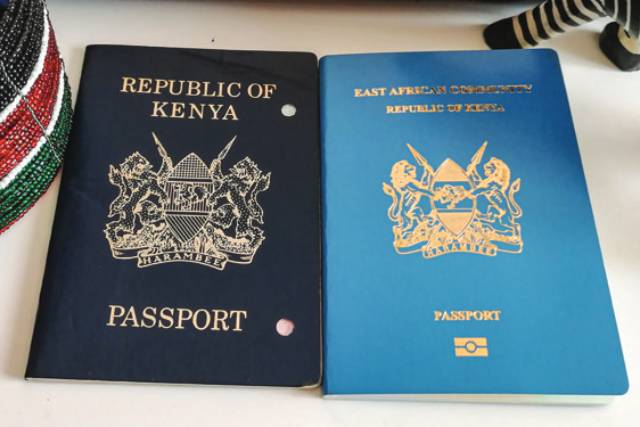
Citizenship is often presented as a settled legal status—a clear boundary between those who belong and those who do not. Constitutions define it, passports certify it, and elections perform it. Yet for millions of people across the world, citizenship is not experienced as a secure condition but as a fragile, uneven, and sometimes contested reality. Citizenship at the margins of the republic refers to the lived experiences of individuals and communities who are formally or informally excluded from the full protections, rights, and recognition promised by the modern state.
Defining the Margins
The “margins of the republic” are not only geographical peripheries such as borderlands, informal settlements, or historically neglected regions. They are also social, economic, cultural, and political spaces where belonging is conditional. At these margins, citizenship is mediated by ethnicity, race, gender, religion, class, disability, migration status, or historical stigma.
Marginalized citizens may possess legal nationality yet face barriers to accessing basic services such as healthcare, education, land rights, security, or political representation. In extreme cases, they are treated as outsiders within their own country—subject to surveillance, harassment, or collective punishment.
Historical Roots of Marginal Citizenship
Marginal citizenship is rarely accidental. It is often the product of historical processes such as colonial rule, slavery, displacement, or nation-building projects that privileged certain identities over others. Colonial administrations frequently governed through exclusion, categorizing populations into hierarchies of “natives,” “settlers,” and “subjects.” After independence, many postcolonial republics inherited these structures, reproducing inequalities in new legal and political forms.
In some contexts, entire communities were rendered invisible through arbitrary borders, discriminatory citizenship laws, or bureaucratic practices that made documentation inaccessible. The legacy of these exclusions persists, shaping who is recognized as a “real” citizen and who remains suspect.
Everyday Experiences at the Margins
For those living at the margins, citizenship is often negotiated daily. It is tested at police checkpoints, government offices, polling stations, and hospitals. A lack of identification documents, language barriers, or discriminatory attitudes can turn routine interactions with the state into moments of vulnerability.
Political participation is also uneven. Marginalized citizens may be underrepresented in legislatures, excluded from decision-making, or mobilized only during elections without meaningful follow-through. Their concerns—such as land dispossession, environmental degradation, or police violence—are frequently dismissed as peripheral to “national interests.”
Citizenship, Rights, and Recognition
At its core, citizenship is not only about rights but also about recognition and dignity. To be a citizen in a meaningful sense is to be seen and heard as a legitimate member of the political community. Marginalized groups often demand more than legal reforms; they seek acknowledgment of historical injustices and respect for their identities and ways of life.
Social movements, civil society organizations, and grassroots activism have played a crucial role in challenging marginal citizenship. Through litigation, protest, storytelling, and community organizing, marginalized citizens assert their presence and redefine what belonging means within the republic.
The Role of the Republic
A republic, in theory, is founded on equality before the law and the collective pursuit of the common good. When large segments of the population live at its margins, the legitimacy of the republic itself is called into question. Persistent exclusion undermines social cohesion and fuels distrust in public institutions.
Addressing marginal citizenship requires more than symbolic inclusion. It demands structural reforms—equitable resource allocation, inclusive governance, fair documentation systems, and accountability for state violence. It also requires reimagining national identity in ways that embrace diversity rather than fear it.
Conclusion
Citizenship at the margins of the republic exposes the gap between constitutional ideals and lived realities. It reminds us that citizenship is not a static legal label but a dynamic relationship between individuals and the state. The true measure of a republic lies not in how it treats its most powerful citizens, but in how it recognizes, protects, and uplifts those at its edges. Only by bringing the margins to the center can the promise of citizenship be fully realized.